10 Types of Graphic Design That Shape Modern Marketing
Graphic design is everywhere. You see it when you scroll through Instagram, when you pick up your favorite snack, and even when you open a website. It’s not just about colors and shapes, it’s about creating connections. Modern marketing, without design, is like a story without images. Flat. Forgettable.
In this article, I’ll walk you through the 10 types of graphic design that play a major role in shaping how brands talk, sell, and win hearts. I’ll also sprinkle in some real-world stories, casual notes, and why businesses, big or small, can’t afford to ignore design anymore.
1. Brand Identity Design
Creative brand identity design that defines your business personality.
Think of your favorite brand. Apple. Nike. Starbucks. What comes to your mind? Their graphic design—the logo, the colors, the way everything feels connected. That’s brand identity design.
It’s more than a symbol. It’s the brand’s voice in visual form. Imagine walking into a store, seeing the same colors, same font, same design style everywhere, and you instantly feel at home. That’s the power of consistency.
Marketers rely on brand identity design to build trust. Without it, campaigns feel scattered. With it, customers recognize you in a second.
2. Marketing and Advertising Design
Engaging marketing and advertising design that drives customer attention.
Here’s where graphic design and business truly collide. Every flyer, social media ad, Google banner, it’s all marketing and advertising design.
Picture this. You’re scrolling through your feed. Suddenly, a bold ad pops up with vibrant colors, strong text, and a clear offer. You stop. You click. That’s design doing its job.
Advertising design isn’t just about looking pretty—it’s about action. Getting someone to buy, sign up, or just remember you. That’s why it’s one of the most important types in modern marketing.
We help businesses grow online with result-driven digital marketing solutions.
3. Web and User Interface (UI) Design
Professional web and UI design for modern user experience.
Your website is your online office. If it looks messy, people leave. Graphic design in web and UI makes sure the first impression is smooth and professional.
Think of a landing page. Clean layout. Simple navigation. Clear buttons. That’s what good UI design feels like: it quietly guides people where you want them to go.
In marketing, a beautiful website isn’t a luxury, it’s a necessity. Because design equals trust. And trust equals sales.
4. Packaging Design
Unique and creative packaging design that stands out.
Ah, the silent salesman. Packaging design is often the first handshake between product and customer. You see a product on the shelf, and before you even read the label, you judge it by design.
A chocolate bar with gold and black wrapping feels premium. A juice box with bright green and playful fonts feels fresh and fun. That’s graphic design shaping perception.
Marketers know packaging can win—or lose—the sale. In fact, many people choose products they’ve never tried just because the packaging looks appealing.
5. Motion Graphics Design
Dynamic motion graphics design that tells your story visually.
Static is fine. But moving visuals? They grab attention instantly. Motion Graphics are animations, explainer videos, moving ads, basically, design in action.
Imagine an Instagram story ad where text slides in, colors pop, and logos animate. You stop to watch, even if just for 5 seconds. That’s the magic of motion.
Marketers love this because humans are wired to notice movement. A moving design can tell a story faster than a paragraph.
High quality video editing and marketing to make your brand stand out.
6. Print Design
High-quality print design for impactful offline branding.
People often say print is dead. It’s not. Graphic design in print—brochures, flyers, magazines—still holds a strong place in marketing.
Think about a restaurant menu. Or a beautifully designed business card. Or a poster for a local event. These things you can touch, feel, and keep. That physical connection makes print design powerful.
In modern marketing, digital dominates, yes. But smart brands still use print to leave a lasting impression.
7. Environmental Design
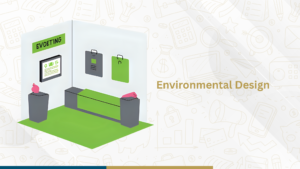
Transforming spaces with innovative environmental design.
Step into a trade show. Or a branded office space. What do you see? Huge wall graphics, bold signage, creative booths. That’s environmental graphic design.
It’s a design meeting space. Turning walls, floors, and rooms into brand experiences. Ever walked into a café and instantly felt cozy because of the colors and visuals? That’s environmental design in play.
Marketers use this type to build immersive brand worlds—places where customers don’t just see the brand, they live it.
8. Publication Design
Elegant publication design for books, magazines, and journals.
Even in digital form, publications matter. Think of eBooks, newsletters, and annual reports. Publication design makes these long texts engaging and easy to read.
Imagine scrolling through a PDF that’s all text—boring. But now add infographics, images, layouts, and creative typography—it becomes enjoyable.
Brands use publication design to share stories, stats, and insights in a way that feels professional and convincing. It turns information into marketing gold.
9. Illustration and Infographic Design
Creative illustrations and infographics to simplify complex ideas.
Sometimes words are not enough. That’s when illustrations and infographics step in.
Let’s say you’re trying to explain how your app works. You could write paragraphs—or show one infographic. Boom. Clarity. Engagement. Shareability.
Marketers rely on custom illustrations to stand out. Stock images feel overused, but unique visuals? They catch eyes, build authenticity, and make content memorable.
10. Social Media Design
Engaging social media designs that boost brand presence.
Last but probably the biggest in today’s era—social media design. Instagram posts. LinkedIn carousels. YouTube thumbnails. All designed, all planned.
Social media marketing in Dwarka, Delhi, is noisy. Without strong visuals, your content gets lost. A good post design can mean the difference between being ignored and going viral.
Marketers create templates, use brand colors, and design campaigns tailored for each platform. Because in 2025, social media isn’t just marketing—it’s survival.
From SEO to social media marketing in Dwarka, Delhi, we create strategies that drive traffic, leads, and sales.
Conclusion
At its core, graphic design is storytelling without words. It’s the tool that gives life to marketing—whether through packaging, motion, web, or social media.
Each of the 10 types plays a unique role. Brand identity builds recognition. Motion graphics grab attention. Social media design keeps you relevant. Together, they shape how the world sees your business.
So, here’s the truth. In modern marketing, you can’t separate design from strategy. They’re partners. And the businesses that understand this will always stay a step ahead.